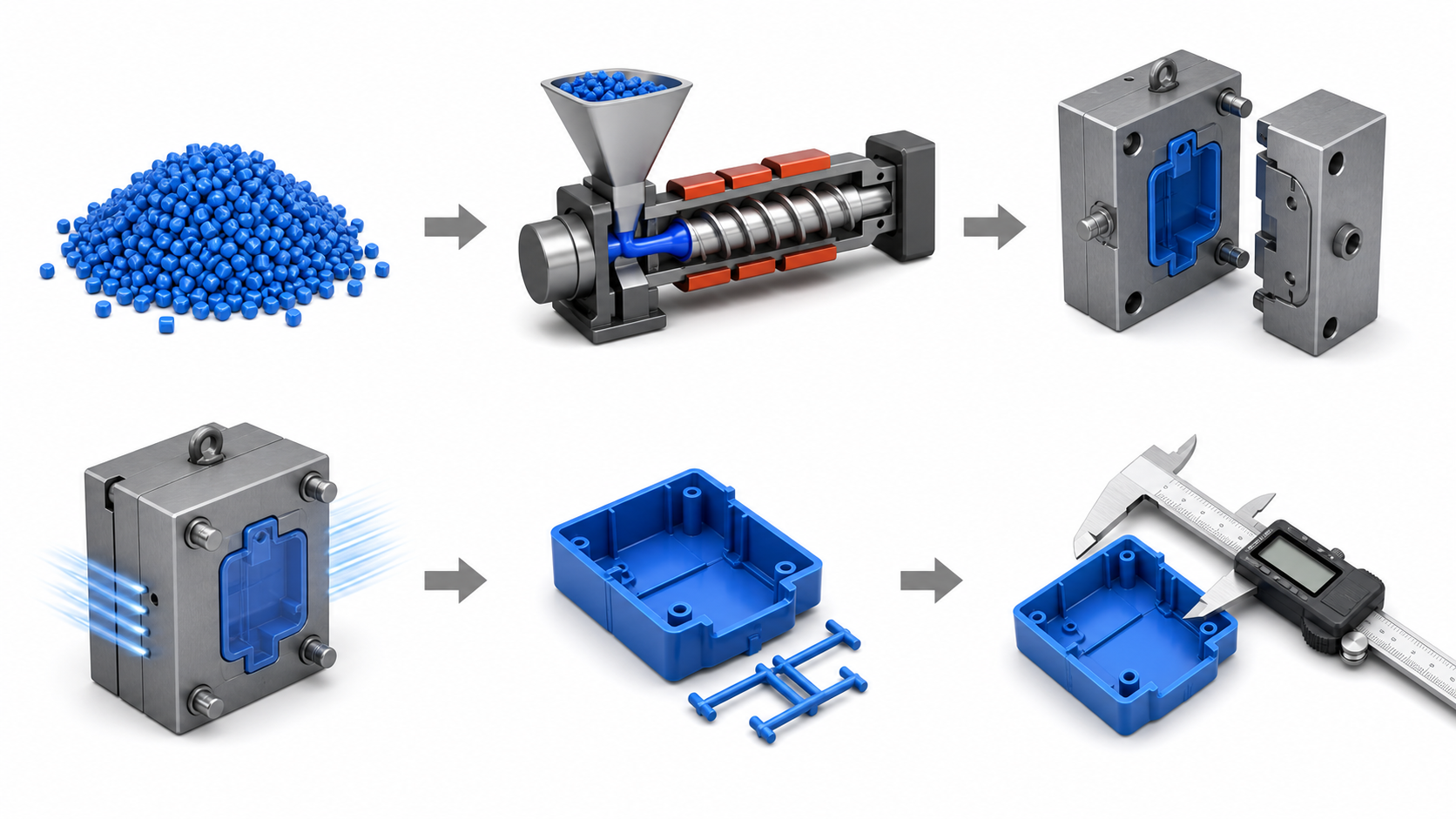
Many buyers delay a custom plastic product because they think they must first hire an engineer, prepare perfect CAD files and complete all technical drawings. In reality, an experienced injection molding factory can often begin from much simpler information.
If you can provide a hand sketch, a simple 2D drawing, rough dimensions, a reference product photo, or notes about how the product should be used, the factory can help convert that idea into a more professional drawing. The key is to explain the function, size, material expectations and target quantity clearly.
1. Start with a Simple Sketch, Photo or Rough Drawing
A professional drawing is helpful, but it is not always required at the first stage. For many custom injection molded products, the factory only needs enough information to understand the product structure and intended use.
- A hand-drawn sketch with length, width and height
- Photos of a similar product with notes about what should be changed
- A simple drawing made in PowerPoint, PDF or any basic design tool
- A sample product that can be measured and redesigned
- Clear notes about load, assembly, color, surface finish and packaging
2. The Factory Reviews Feasibility and Manufacturing Details
After receiving your idea, the factory will usually review whether the part is suitable for injection molding. This step is sometimes called a basic DFM review, which means design for manufacturing. The goal is to avoid structures that are difficult, expensive or risky to mold.
3. Turning a Rough Idea into Professional Drawings
If the project looks feasible, the factory or its engineering partner can create professional drawings. Depending on the project, this may include 2D drawings, 3D models, exploded assembly views, or mold design drawings.
At this stage, the buyer should carefully confirm the key dimensions and functional requirements. A small misunderstanding in the drawing stage can become expensive after the mold is built, so it is better to review details early.
What buyers should confirm before tooling
- Overall dimensions and critical tolerance areas
- Material, color and surface texture
- Load-bearing or repeated-use requirements
- Logo position, label area or packaging method
- Whether the part must fit another product or accessory
- Expected order quantity and future repeat order plan
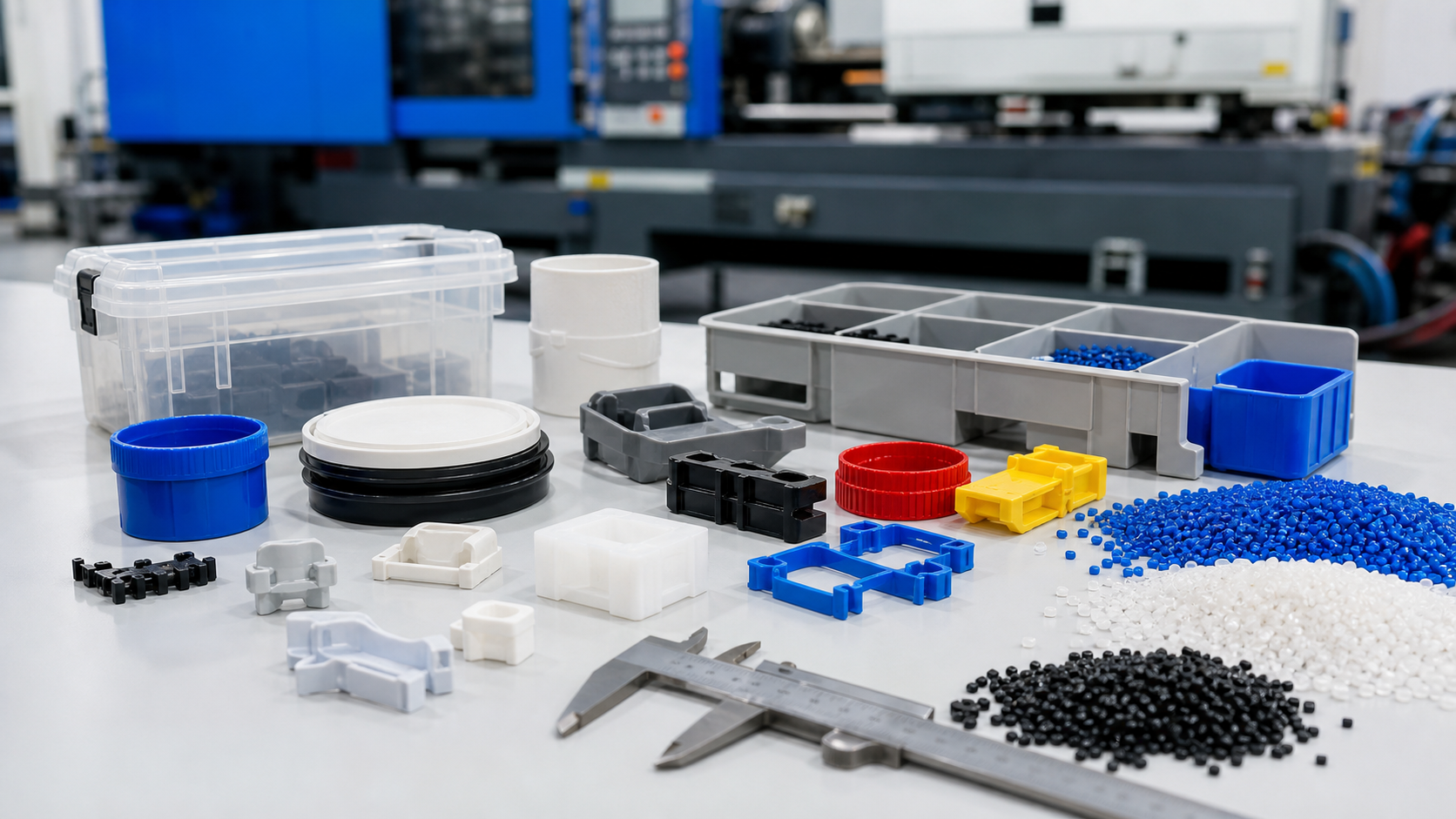
4. Mold Design and Mold Making
Once the drawing is confirmed, the factory starts the mold plan. The mold is the metal tool that shapes the plastic part. Mold cost depends on part size, complexity, steel type, expected tool life, number of cavities and whether special mechanisms such as sliders or inserts are needed.
For a new product, the buyer should clarify who owns the mold, how mold maintenance will be handled, and whether the mold can be used only for that buyer's orders. These details are important for private-label or exclusive products.
5. Mold Testing, Sample Review and Adjustments
After the mold is built, the factory performs a trial run. This is often called a mold test or T1 sample. The first samples are used to check appearance, size, fit, strength and molding stability.
- The factory injects the first sample parts from the new mold.
- Engineers check defects such as shrinkage, flash, warping, flow marks or poor fit.
- The buyer reviews photos, videos or physical samples.
- If needed, the factory adjusts the mold, material, color or molding settings.
- Approved samples become the standard for mass production.
6. Manufacturing Finished Products
Once samples are approved, the factory can begin mass production. The production process includes resin preparation, machine setup, injection molding, trimming, inspection, assembly, packing and shipment preparation. For export orders, carton strength, labels, barcodes and shipping marks should be checked before delivery.
For custom plastic products, communication should not stop after tooling. The best results come when the buyer and factory keep a clear sample approval record, production standard, inspection checklist and packaging plan.
Simple Information Is Enough to Start
If you have a product idea but no professional drawing yet, you can still begin the discussion. Send the factory a simple sketch, dimensions, product photos, usage notes and target order quantity. A good injection molding supplier can help turn that rough idea into a workable design, then guide it through drawing, mold making, testing and production.
Have a Sketch for a Plastic Product?
Dapeng Trading can help review simple sketches, product photos or rough drawings for custom injection molded products. Send your idea, target size and expected quantity, and we can help discuss drawing, tooling and production options.
Send Your Drawing or Sketch